What is a Therapy Intensive? A Powerhouse Approach for Lasting Change

What is the benefit of doing a custom therapy intensive instead of weekly therapy?

At The Finding Place, our therapists offer custom intensive sessions where clients come to us for three days of intensive one-on-one therapy. Some intensive clients are local; others come to us from other parts of the country, but they all have the same goal–to heal, transform, and gain both freedom and a higher quality of life.

Intensives offer time for a deep dive into treatment, away from interruptions, distractions, and the stop/start of classic weekly therapy. This deep dive excavates and unearths the patterns of relating, reacting, and responding that were learned unconsciously in childhood and replicated throughout life. Intensives provide time to truly and fully unpack experiences you’ve spent a lifetime minimizing.

What kind of therapies are used during therapy intensives?

Spending three days simply talking with a therapist may help you feel understood and validated, but it will not translate into lasting life change. This is the reason our therapists use brain-based and experiential therapies like Brainspotting, EMDR, Internal Family Systems (IFS), which is also called parts work, art therapy, and body-based therapies during our trauma therapy intensives.

These therapies bypass the thinking brain to address core unconscious beliefs that are picked up in childhood and carried with us into adulthood. Using these modalities, your therapist can help you replace faulty programming and unconscious core beliefs with the truths of both who you are and who you are meant to be. 

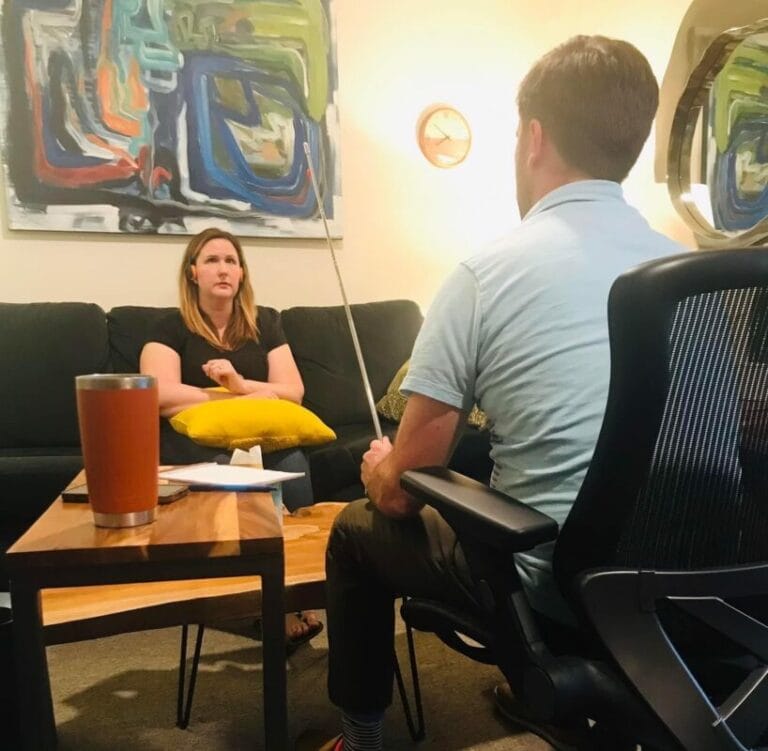
Think of it this way–when you go to a new city, you use a map to get around. Brain-based therapies like Brainspotting and EMDR provide a map for your therapist to get around in your subconscious mind. That map provides a way to navigate the subcortical brain, to access experiences that were never processed, to open files in the brain, and engage the subconscious mind much more effectively than cognitive-based therapies.

While that may sound scary or “out there,” these brain-based therapies are based in science, very gentle, and always proceed at the pace of safety in our clinic.

Using brain-body therapeutic techniques together with the intensive model, our clients go beyond being understood and validated by a therapist. The modalities facilitate a profound understanding within one’s self, and the longer time frame of the intensive produces lasting and sustainable change.

Is three days really enough time for me?

Because we utilize pre-intensive phone calls to build trust and lay out goals before you arrive, we have found that three days of one-on-one therapy is the “sweet spot” for our therapy intensives, whether you are specifically looking for a Brainspotting therapy intensive, an EMDR therapy intensive, a trauma therapy intensive, or more likely, a combination of therapies that works best for you. There’s no need to spend a week or more in a workshop environment where the focus is not solely on you.

Intensives give you enough time to not only identify, disrupt, and fully resolve the harmful patterns in your life but also dream your life forward, creating a life without the baggage or fears of the past. You will lay solid groundwork for maintaining the growth you have achieved and leave with a self-energy that can be maintained. You will also learn how to regain it if you lose it. This is a profound shift from being the victim to being the leader and living in a wholly integrated way.

Intensives, brain-based approaches, and body-based techniques are extremely effective on their own, but together, they are a powerhouse approach for producing lifelong change. 

The Finding Place Counseling offers both mental health counseling in Little Rock, Arkansas, and custom therapy intensives that serve clients across the country. Visit our FAQ page then contact us to learn more.


Similar Posts

  • |

    Is Pornography Bad for My Marriage? What Couples Need to Know

    If you are asking this question, you are not alone. Many couples wonder how pornography fits into their relationship. Some people feel like it is not a big deal. Others feel deeply hurt by it. You may even feel confused because you are not sure what to think.
    The truth is, there is not one simple answer. Pornography affects every relationship differently. What matters most is how it is impacting trust, emotional safety, and connection between you and your partner.
    Why This Question Comes Up in Marriage
    For many couples, pornography becomes an issue when it creates tension or distance. One partner may discover it and feel blindsided. Another may feel judged or misunderstood for using it.
    Even if both partners know about it, it can still bring up hard emotions. You might feel:
    Hurt or rejected
    Confused about what is normal
    Worried about your relationship
    Unsure how to talk about it
    These reactions are more common than people realize. And they deserve attention, not dismissal.
    When Pornography Starts to Affect Connection
    Pornography is not just about what someone watches. It is about how it impacts the relationship.
    In some marriages, pornography becomes a private habit that replaces connection. Instead of turning toward each other, one partner turns away. Over time, this can create emotional and physical distance.
    In other cases, it changes expectations. Pornography often shows unrealistic bodies, reactions, and experiences. This can lead to comparison or disappointment, even if no one says it out loud.
    When this happens, intimacy can start to feel strained instead of natural.
    The Impact of Secrecy
    One of the biggest issues couples face around pornography is secrecy. When something is hidden, it can feel like a betrayal when it comes to light.
    The pain is often not just about the pornography itself. It is about the loss of trust.
    You may find yourself asking:
    “What else do I not know?”
    “Can I trust my partner?”
    “Is our relationship real?”
    These questions can feel overwhelming. They can also trigger deeper emotional responses, especially if trust has been broken in the past.
    Why This Can Feel So Personal
    If you are the partner who feels hurt, you might take this very personally. You may wonder if you are not enough or if your partner is no longer attracted to you.
    These thoughts can be painful, but they are also very human.
    If you are the partner who uses pornography, you may feel ashamed or defensive. You might not have intended to hurt your partner, and now you feel stuck between your behavior and their pain.
    Both experiences matter. Both deserve to be understood.
    The Role of Shame and Silence
    Many couples avoid talking about pornography because it feels uncomfortable. It can feel easier to ignore it or hope it goes away.
    But silence usually makes things worse.
    When there is no conversation, each person fills in the gaps on their own. Assumptions grow. Resentment builds. Emotional distance increases.
    Shame can also keep couples stuck. One partner may feel ashamed for their behavior. The other may feel ashamed for being upset about it.
    Shame shuts down connection. Honest conversation opens the door to healing.
    What Healthy Conversations Can Look Like
    Start with curiosity instead of blame. This can often be challenging for a partner because of the intense betrayal they may be experiencing. Try focusing on how each of you feels rather than trying to prove a point.
    You might explore questions like:
    “How is this affecting our relationship?”
    “What do we need to feel safe and connected?”
    “What moral standards are important to each of us?”
    These conversations can feel vulnerable, but they are an important step toward rebuilding trust and closeness.
    When It Becomes a Bigger Concern
    Sometimes pornography use may start to interfere with daily life or the relationship in noticeable ways.
    This can include:
    Using pornography to cope with stress or emotions
    Feeling unable to stop or cut back
    Losing interest in real life intimacy
    Spending increasing amounts of time on it
    Keep secrets from my partner
    When these patterns show up, it may be a sign of a deeper struggle that needs attention and support.
    When to Seek Help
    If pornography is creating tension, confusion, or distance in your marriage, seeking therapy from a qualified specialist (Certified Sex Addiction Therapist) is key and will feel different than just talk therapy alone.
    At The Finding Place Counseling in Little Rock, Arkansas, we offer couples therapy as well as sexual addiction recovery therapy. We understand that in order to treat the marriage, you also have to treat the underlying issues in each partner. Our team of therapists work together to provide exceptional therapy and gameplans for couples navigating pornography addiction, unwanted sexual behavior, and betrayal trauma.

  • Brainspotting for Anxiety: Treatment for Anxiety in Little Rock, AR.

    Many people come to therapy for anxiety after trying everything they can think of. They’ve read the books. Practiced breathing exercises. Challenged their thoughts. Talked through their stress.
    And yet, the anxiety remains.
    For some, anxiety isn’t just about distorted thinking or current stressors. It’s rooted deeper in the nervous system. When anxiety is tied to unresolved trauma, attachment wounds, or chronic overwhelm, traditional talk therapy may only reach part of the picture.
    This is where Brainspotting for anxiety can be especially powerful.