Brain Science: Why My Teenager Won’t Stop Looking at Pornography

The Dangers of Teens Addicted to Porn

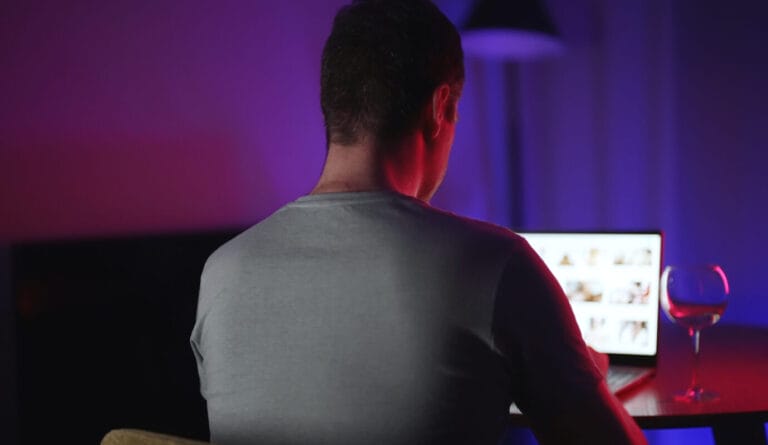
The most-searched-for term on the internet is “sex.” This may not surprise you, but the amount of pornography readily available to your children through the internet, social media, and sexting should motivate you to be proactive in talking with them about it and seeking help for teens addicted to pornography.

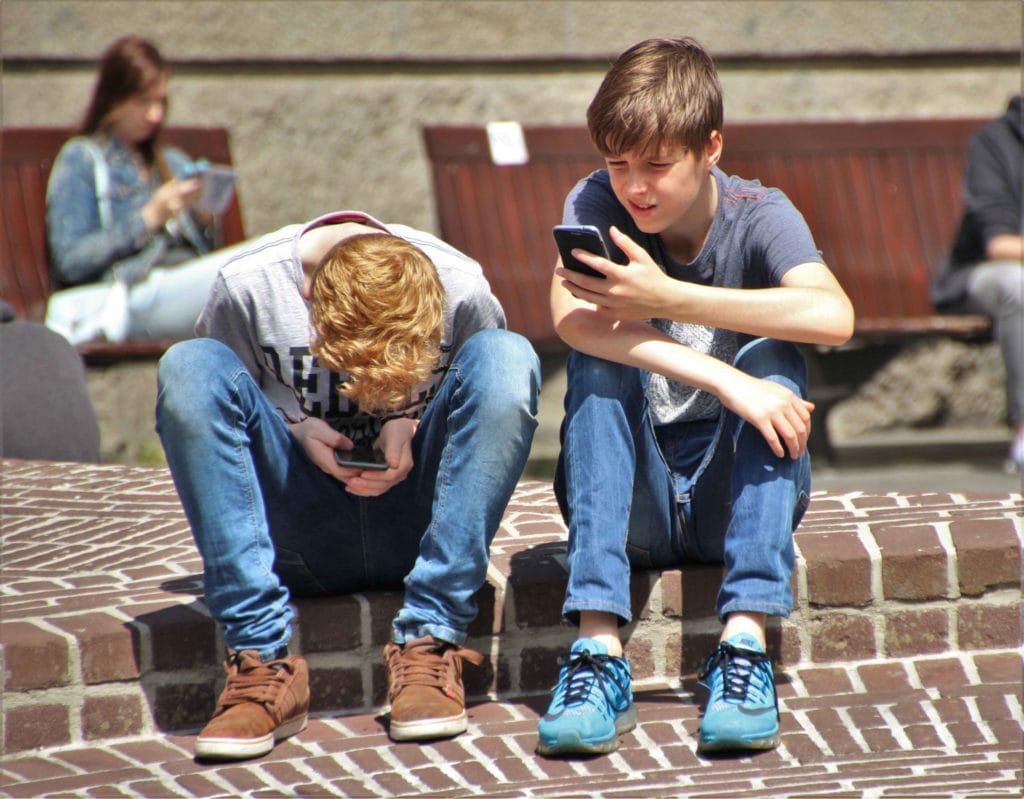
We all have two brains, so to speak: the Thinking Brain and the Feeling Brain. Because teens’ Thinking Brains are still developing, their Feeling Brains are in charge. Their Feeling Brain wants to recreate the initial rush of pleasure it felt when it saw porn for the first time, so it craves more and more new porn, which fuels addiction and can lead to a snowball effect of damaging behaviors, setting up teens for a lifetime of miswired thinking and relationships.

Porn teaches that sexual partners are objects to be consumed, not people to be respected and valued. In our clinic, we have repeatedly seen that teens being exposed to porn can lead to distorted views of love, unrealistic sexual beliefs, stunted emotional intimacy in relationships, sexually-aggressive behaviors, promiscuity, erectile dysfunction, and depression.
The Two Brains in Teens Addicted to Porn

In her book Good Pictures Bad Pictures: Porn-Proofing Today’s Young Kids, Kristen A. Jensen offers insight and help for teens addicted to porn. She describes how the two areas of the brain mentioned above—the Feeling Brain (the limbic system) and the Thinking Brain (the cortex)—are affected by pornography.

The Feeling Brain functions without any conscious input. If you’re hot, your body sweats to keep cool. If you’re cold, your body shivers to keep warm. Your Feeling Brain has an automatic reward system (dopamine) that acts solely on feelings and doesn’t know right from wrong, which is why the Thinking Brain’s role is so important.

The Thinking Brain is in charge of solving problems, exercising self-control, and making plans. The Thinking Brain knows right from wrong and can help you make good choices because it knows the consequences of bad choices.

Without the Thinking Brain, the Feeling Brain will do whatever feels the best, even if it’s dangerous, which can create bad habits. Brain scans have shown that porn addiction can actually shrink the Thinking Brain. The more good decisions the Thinking Brain makes, the stronger it becomes, though, so the Thinking Brain can protect you from addiction.

When the brain sees pornography, it cannot differentiate between what is real life and what is a picture, movie, or video game. Porn activates the attraction center of the brain, creating very powerful feelings that can be difficult for kids to control. In normal life, the attraction center creates feelings of happiness and makes people fall in love.

When that attraction is activated by porn, however, teenagers internally experience what they’re seeing. This results in either wanting to reenact the pornography or becoming desensitized, which will damage their ability to form healthy, long-lasting relationships.

Pornography addiction in teens is typically a shameful secret, and parents are often unaware of the long-lasting damage it will create for their children. This is why seeking therapy for a teen addicted to porn is so critical. But you need to choose the right therapist with the right specialty.

Therapy for Teens Addicted to Porn

If you believe your child may be addicted to pornography, remember that your child is facing an internal battle, and we are here to help. Our clinic offers several therapy options for teens addicted to porn. Both Ryan Russ and Dan Hunt are Certified Sexual Addiction Therapists (CSATs) with experience helping teens overcome sexual addiction. If you are asking yourself if you should seek therapy for your teen addicted to porn, please contact us for an appointment, which can be done in person or via teletherapy, when needed.

You are not alone in navigating how to parent and protect your teen in this digital world. Seeking help for your child today can help them develop healthy views of sex as well as healthy emotional relationships.

To learn more about how pornography affects the brain, visit Fight The New Drug.

Similar Posts

  • |

    Is Pornography Bad for My Marriage? What Couples Need to Know

    If you are asking this question, you are not alone. Many couples wonder how pornography fits into their relationship. Some people feel like it is not a big deal. Others feel deeply hurt by it. You may even feel confused because you are not sure what to think.
    The truth is, there is not one simple answer. Pornography affects every relationship differently. What matters most is how it is impacting trust, emotional safety, and connection between you and your partner.
    Why This Question Comes Up in Marriage
    For many couples, pornography becomes an issue when it creates tension or distance. One partner may discover it and feel blindsided. Another may feel judged or misunderstood for using it.
    Even if both partners know about it, it can still bring up hard emotions. You might feel:
    Hurt or rejected
    Confused about what is normal
    Worried about your relationship
    Unsure how to talk about it
    These reactions are more common than people realize. And they deserve attention, not dismissal.
    When Pornography Starts to Affect Connection
    Pornography is not just about what someone watches. It is about how it impacts the relationship.
    In some marriages, pornography becomes a private habit that replaces connection. Instead of turning toward each other, one partner turns away. Over time, this can create emotional and physical distance.
    In other cases, it changes expectations. Pornography often shows unrealistic bodies, reactions, and experiences. This can lead to comparison or disappointment, even if no one says it out loud.
    When this happens, intimacy can start to feel strained instead of natural.
    The Impact of Secrecy
    One of the biggest issues couples face around pornography is secrecy. When something is hidden, it can feel like a betrayal when it comes to light.
    The pain is often not just about the pornography itself. It is about the loss of trust.
    You may find yourself asking:
    “What else do I not know?”
    “Can I trust my partner?”
    “Is our relationship real?”
    These questions can feel overwhelming. They can also trigger deeper emotional responses, especially if trust has been broken in the past.
    Why This Can Feel So Personal
    If you are the partner who feels hurt, you might take this very personally. You may wonder if you are not enough or if your partner is no longer attracted to you.
    These thoughts can be painful, but they are also very human.
    If you are the partner who uses pornography, you may feel ashamed or defensive. You might not have intended to hurt your partner, and now you feel stuck between your behavior and their pain.
    Both experiences matter. Both deserve to be understood.
    The Role of Shame and Silence
    Many couples avoid talking about pornography because it feels uncomfortable. It can feel easier to ignore it or hope it goes away.
    But silence usually makes things worse.
    When there is no conversation, each person fills in the gaps on their own. Assumptions grow. Resentment builds. Emotional distance increases.
    Shame can also keep couples stuck. One partner may feel ashamed for their behavior. The other may feel ashamed for being upset about it.
    Shame shuts down connection. Honest conversation opens the door to healing.
    What Healthy Conversations Can Look Like
    Start with curiosity instead of blame. This can often be challenging for a partner because of the intense betrayal they may be experiencing. Try focusing on how each of you feels rather than trying to prove a point.
    You might explore questions like:
    “How is this affecting our relationship?”
    “What do we need to feel safe and connected?”
    “What moral standards are important to each of us?”
    These conversations can feel vulnerable, but they are an important step toward rebuilding trust and closeness.
    When It Becomes a Bigger Concern
    Sometimes pornography use may start to interfere with daily life or the relationship in noticeable ways.
    This can include:
    Using pornography to cope with stress or emotions
    Feeling unable to stop or cut back
    Losing interest in real life intimacy
    Spending increasing amounts of time on it
    Keep secrets from my partner
    When these patterns show up, it may be a sign of a deeper struggle that needs attention and support.
    When to Seek Help
    If pornography is creating tension, confusion, or distance in your marriage, seeking therapy from a qualified specialist (Certified Sex Addiction Therapist) is key and will feel different than just talk therapy alone.
    At The Finding Place Counseling in Little Rock, Arkansas, we offer couples therapy as well as sexual addiction recovery therapy. We understand that in order to treat the marriage, you also have to treat the underlying issues in each partner. Our team of therapists work together to provide exceptional therapy and gameplans for couples navigating pornography addiction, unwanted sexual behavior, and betrayal trauma.

  • How Shame Impacts Healing in Sexual Addiction and Betrayal Trauma

    Shame is one of the most powerful—and least understood—forces in sexual addiction and betrayal trauma. It operates quietly beneath the surface, shaping behavior, blocking vulnerability, and keeping both partners stuck in cycles they desperately want to escape.
    For those struggling with compulsive sexual behaviors, shame often fuels secrecy and relapse. For betrayed partners, shame can distort self-worth and delay healing. Without addressing shame directly, recovery efforts frequently stall, even when motivation and commitment are present.